




엑토인 생산에서의 효율적인 탈염 공정
Ectoine: A multi-functional, highly sought-after ingredient in skincare, and a "rising star" in the field of ingredients. It is a new favorite in the world of skincare. Its production also demonstrates the new application of synthetic biology technologies!
Ecotoine ——the all-rounder in skin care:
Ectoine (tetrahydropyrimidine) is a compatible water molecule-binding solute (osmoprotectant) produced by several bacteria under osmotic stress and adverse environmental conditions. This amino acid derivative can accumulate in cells at high concentrations without interfering with natural processes and can protect cells from radiation or osmotic stress.
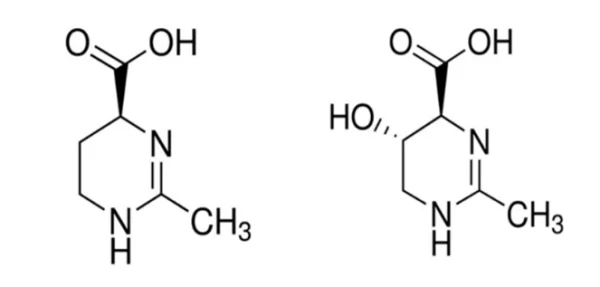
Microbial fermentation is a cutting-edge technology for cosmetics. Microbial fermentation technology has become a "tool" for more and more brands to develop their markets. Ectoine and bifidus ferment product lysate, hyaluronic acid, galactose-like yeast ferment product filtrate (Pitera ®) and other popular "miracle skin care ingredients" are all derived from "fermentation", and they are all international and domestic best-selling high-end skin care ingredients, and are also one of the new processes developed through synthetic biology technology.
The desalting process of Ecdoine:
Ectoine itself a hydrochloride salt compound, is susceptible to a decrease in quality and efficacy due to the presence of salt, particularly in large-scale production. Therefore, the desalination process plays a critical role in the preparation of Ectoine. The desalination process for Ectoine usually involves the use of ion exchange, reverse osmosis, and electrodialysis to gradually separate the salt from Ectoine, thereby achieving the goal of improving its purity and efficacy.
Ion Exchange Desalination:
Ecdoine desalination processes are usually carried out with ion exchange resins. Specifically, this process usually uses ion exchange resins with specific functions, such as strongly acidic cation exchange resins, weakly acidic cation exchange resins, etc.
The advantages of using conventional ion exchange resins for Ecdoine desalination in a low salt environment include simplicity of operation, ease of control of the process, high desalination efficiency, reusability, etc.
Reverse Osmosis Technology:
Reverse osmosis is the process of separating and removing water and other substances using reverse osmosis membranes to remove ions, solutes, other organic substances, etc. from it.
Electrodialysis:
The separation and removal of ions is carried out by using the characteristic of different migration rates of electrolytes in the electric field. Ions outside the charge of the molecule will gather near the electrode that has the reverse charge, and then the counter ions are released on the surface of the electrode, and such a repeated cycle can separate the organic matter in the electrolyte and get the result of desalination.
동시에 전기투석 탈염법에는 몇 가지 단점이 있습니다. 예를 들어 전극이 사용 중에 쉽게 비활성화되어 정기적으로 교체해야 합니다. 또한 전기투석 탈염법의 재현성은 일부 크로마토그래피 탈염 공정에 비해 떨어집니다. 염분 함량이 높은 시료의 경우 탈염 과정을 여러 번 반복해야 하므로 작업 시간과 비용이 증가하고 분석 효율과 감도가 저하될 수 있습니다.
고염 환경에서의 균일 입자 크로마토그래피 담수화 공정:
고염 환경에서 기존 이온 교환 수지의 흡착 용량이 제한적이기 때문에, 균일 입자 크로마토그래피 탈염 수지를 이용하여 복합 혼합물에서 에크도인을 정제하였다.
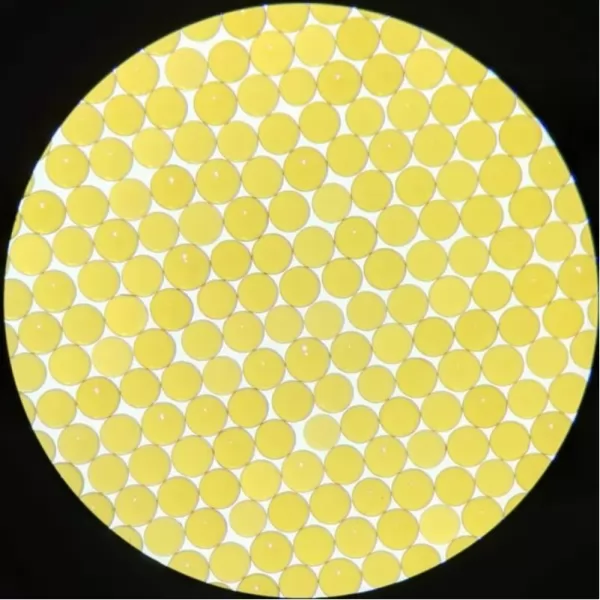
선레진이 자체 개발한 균일 입자 이온 교환 수지는 에크도인의 담수화 및 정화 공정에 사용됩니다. 고염 환경에서 무기/유기 염 제거율이 90% 이상에 달합니다. 기존 담수화 수지와 비교했을 때, 이 수지의 균일 입자 특성으로 인해 컬럼 내에서 물질이 더욱 고르게 분포되고 유속이 감소하여 담수화 효과가 더욱 우수해집니다. 이는 후속 공정의 생산 효율을 크게 향상시키고 생산 비용을 절감하는 데 기여합니다.
크로마토그래피 담수화 장비 응용 분야:
또한, 현재 발효액에서 흔히 발생하는 고염분 문제에 대응하여, 선레진은 발효액의 특성을 결합하여 SSMB 연속 크로마토그래피 염분 분리 공정과 연속 이온 교환 공정을 개발했습니다.
SSMB(순차 모의 이동층) 연속 크로마토그래피 공정: 고농도 염분 및 색소를 함유한 발효 가수분해물을 맞춤형 크로마토그래피 수지 및 시스템을 통해 당과 염분으로부터 분리합니다. 크로마토그래피 수지의 이온 반발 메커니즘을 이용하여 전체 공정에 순수만 필요하고 산이나 알칼리를 전혀 사용하지 않으며, 회분을 90% 이상 제거하고 색소의 일부를 제거할 수 있습니다. 이는 후속 이온 교환 시스템의 부하를 크게 줄이고 수지 소모량을 감소시켜 재생 화학물질의 소비를 줄일 수 있습니다.
선레진의 SMB(모의 이동층) 크로마토그래피 장비의 장점 및 특징은 다음과 같습니다.
1. 대규모 배치 제품 분리에 적합합니다.
2. 높은 정밀도, 높은 생산량 및 낮은 물 소비량
3. 장비의 높은 다용도성으로, 하나의 장비 세트로 다양한 제품 분리가 가능하며, 고객 요구에 따라 튜브 포트를 선택적으로 추가하여 2~3가지 구성 요소 분리를 구현할 수도 있습니다.
문의하기


